Vitamin C & E for Heart Health
– Natural Protection Tips

These two antioxidant vitamins play a crucial role in protecting the heart, reducing oxidative stress, and preventing plaque buildup in the arteries. In this article, we’ll explore how vitamins for heart health like C and E can help lower your risk of cardiovascular disease, and how to incorporate them into a heart-friendly diet.
Vitamin C and Heart Health: More Than Just Immunity

Vitamin C (ascorbic acid) is a water-soluble vitamin best known for boosting immunity, but it also delivers significant benefits for cardiovascular health.
A study in the American Journal of Clinical Nutrition revealed that higher blood levels of vitamin C were linked to a reduced risk of heart disease.
Here's how it works:
-
✅ Lowers LDL ("bad") cholesterol
-
✅ Prevents LDL oxidation, which contributes to plaque buildup (atherosclerosis)
-
✅ Supports collagen production, essential for strong, flexible blood vessels
By reducing inflammation and protecting artery walls, vitamin C acts as a natural defender against heart disease.
Vitamin E and Heart Health: The Antioxidant Protector
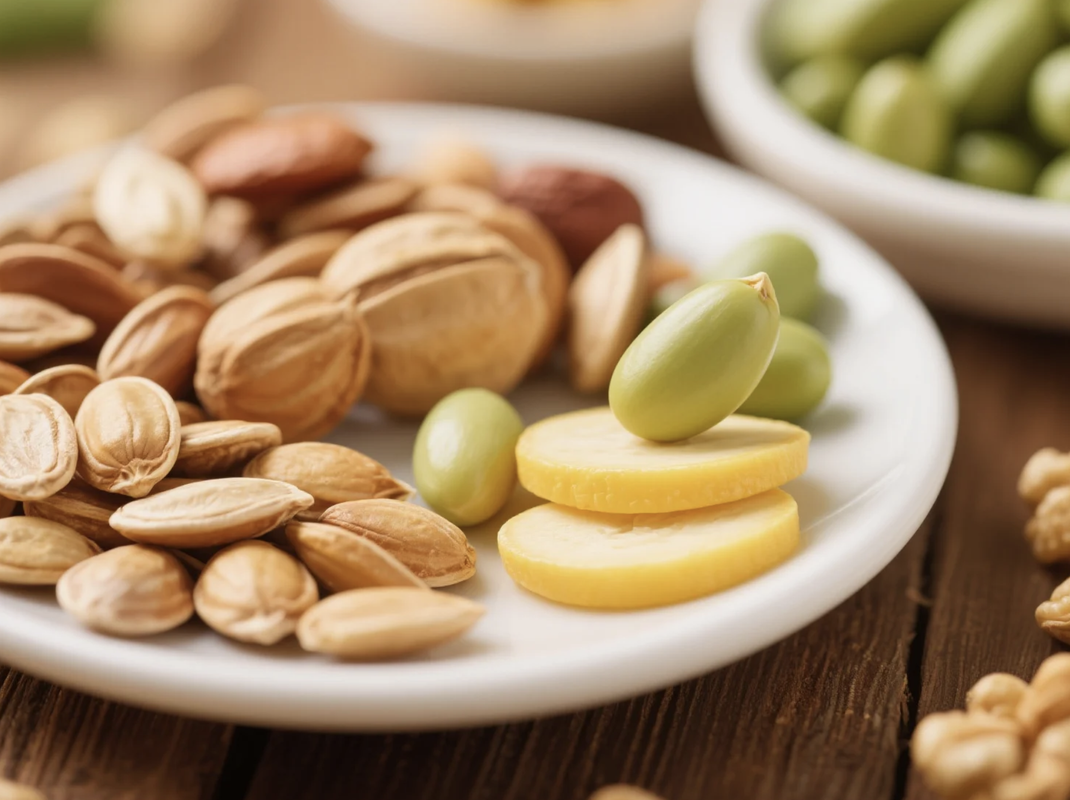
Vitamin E is a fat-soluble antioxidant that protects the body from oxidative stress, a key factor in heart disease. Research, including a study from the New England Journal of Medicine, shows that people with higher vitamin E intake have a lower risk of coronary heart disease.
How vitamin E helps:
-
✅ Neutralizes free radicals that damage heart tissues
-
✅ Reduces oxidative damage to arteries
-
✅ May help prevent the formation of arterial plaque
However, it's important to get vitamin E from food sources rather than supplements. High-dose vitamin E supplements have been linked to certain health risks, including increased risk of stroke.
Top Food Sources of Vitamin C and Vitamin E for a Heart-Friendly Diet
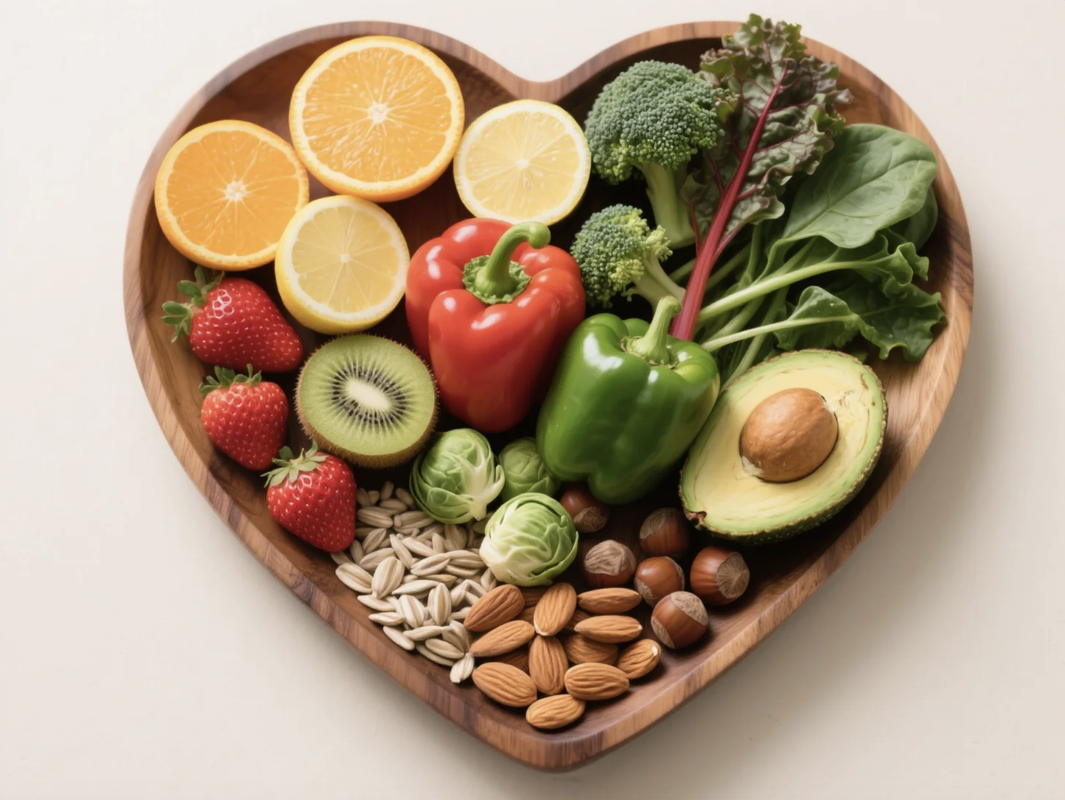
Incorporating nutrient-rich foods into your meals is the safest and most effective way to support heart function naturally.
Here's what to add to your grocery list:
Foods High in Vitamin C
-
1️⃣ Oranges, lemons, and other citrus fruits
-
2️⃣ Strawberries and kiwis
-
3️⃣ Red and green bell peppers
-
4️⃣ Broccoli and Brussels sprouts
Foods Rich in Vitamin E
-
1️⃣ Almonds, sunflower seeds, and hazelnuts
-
2️⃣ Spinach, kale, and Swiss chard
-
3️⃣ Avocados
-
4️⃣ Broccoli (a double-duty heart hero!)
By eating a variety of these heart-healthy foods, you’ll benefit from a broad spectrum of antioxidants and nutrients that work together to protect your cardiovascular system.
Heart Health Tips: A Natural Approach to Prevention

-
Stick to whole food sources of vitamins C and E
-
Avoid over-reliance on supplements unless advised by your doctor
-
Combine a nutrient-rich diet with regular exercise, stress management, and quality sleep
-
Stay proactive—prevent heart disease naturally through lifestyle choices
Conclusion: Eat Well, Love Your Heart

Supporting your heart doesn't require extreme changes—just smart, consistent choices. By embracing a diet rich in vitamins for heart health like C and E, you take a powerful step toward preventing heart disease naturally.
Before making any changes to your diet or starting supplements, consult a healthcare provider. A personalized plan is the best way to ensure long-term heart wellness.
Getting Started
Download Impulse App Today. Take control of your heart health with our free, easy-to-use app.

Disclaimer
The information provided in this article is for informational purposes only and is not intended as a substitute for professional medical advice, diagnosis, or treatment. Always consult your doctor or other qualified healthcare provider with any questions you may have regarding your health or a medical condition. Never disregard or delay seeking professional medical advice because of something you have read in this article.